-

Wearables in Clinical Trials: Real Benefits Beyond the Hype
In clinical research, innovations in technology are moving us down an exciting path, transforming traditional methodologies and paving the way for more efficient, accurate, and patient-focused trials. Software platforms are helping us manage clinical study data more efficiently while decentralized clinical trial (DCT) elements are expanding access to clinical research as a care option for…
-
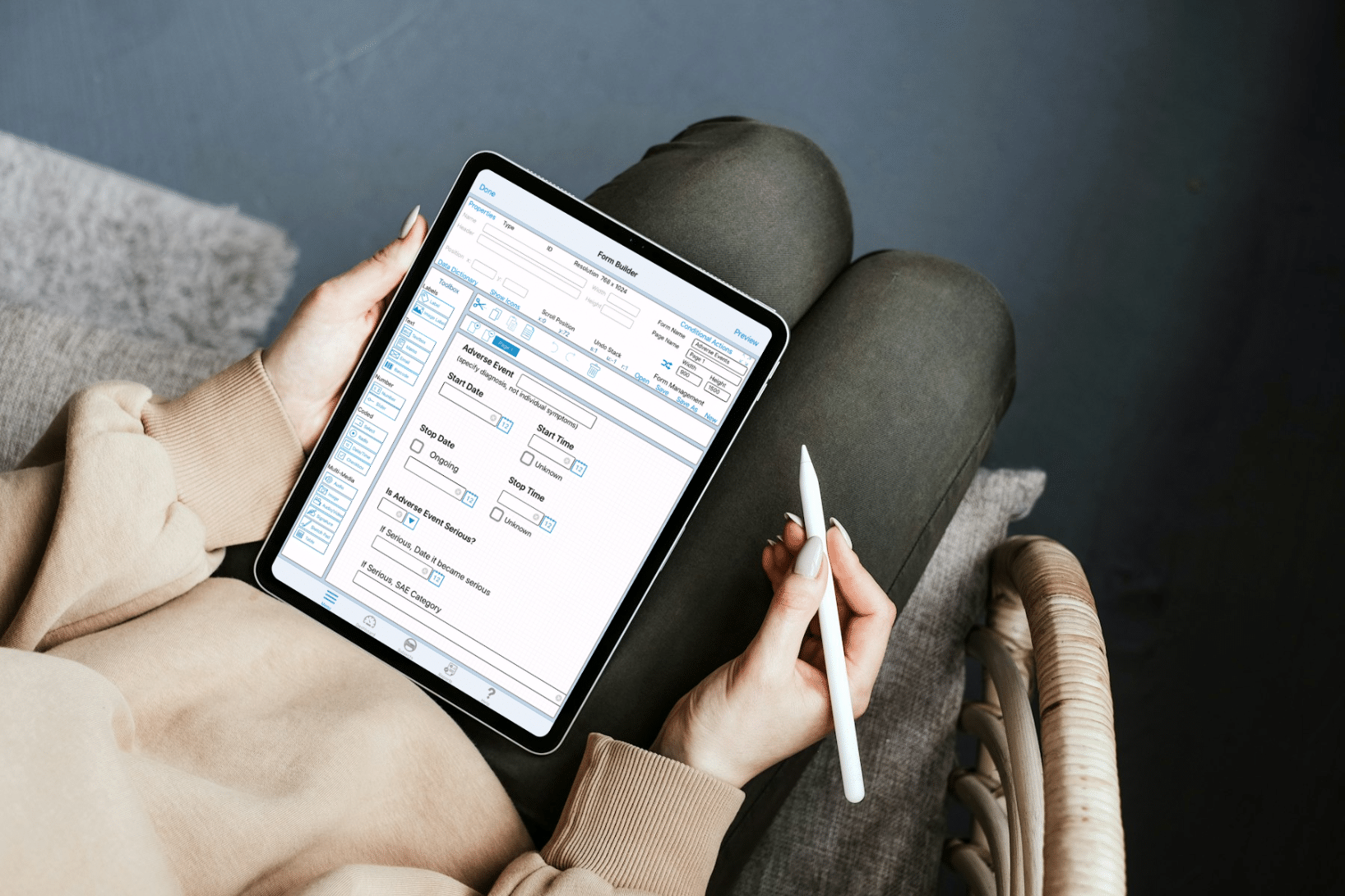
Build Better Studies Faster: 3 Advantages of Mobile eClinical Platforms
The landscape of clinical research is undergoing a rapid digital transformation. Data can be collected in ways not imagined just ten years ago, and technology is now expanding patient access to research, breaking down geographic barriers, moving beyond wholly site-based studies to decentralized clinical trials (DCTs), and reshaping what modern trials look like. Clinical trial…
-
Comprehensive Data Management for Non-Interventional Research
Non-interventional clinical studies, such as post-marketing, longitudinal, and observational studies, are extremely important for advancing our understanding of healthcare outcomes, treatment effectiveness, and patient safety over extended periods. These trials are different from investigational studies and our approaches to data collection, management and analysis require flexible mindsets. Using technologies that are just as flexible to…
-
It Might Be Time to Move on from Your Legacy EDC System
The tools and technologies we rely on to capture and manage clinical trial data are evolving at a rapid pace. As the complexity of clinical trials increases, with a greater emphasis on patient-centrism, real-world evidence, and multi-modal data integration, the limitations of legacy electronic data capture (EDC) systems are becoming increasingly apparent. These systems, once…
-
How Can Real-World Data Benefit Your Trials?
Clinical trial data is coming from more places than ever. It can be collected directly from patients via native and web applications, pulled from wearable sensors, or gathered from electronic health records (EHR) databases. The kinds of data that can impact clinical research are limited only by researchers’ imagination. Today, an increasing number of study…
-
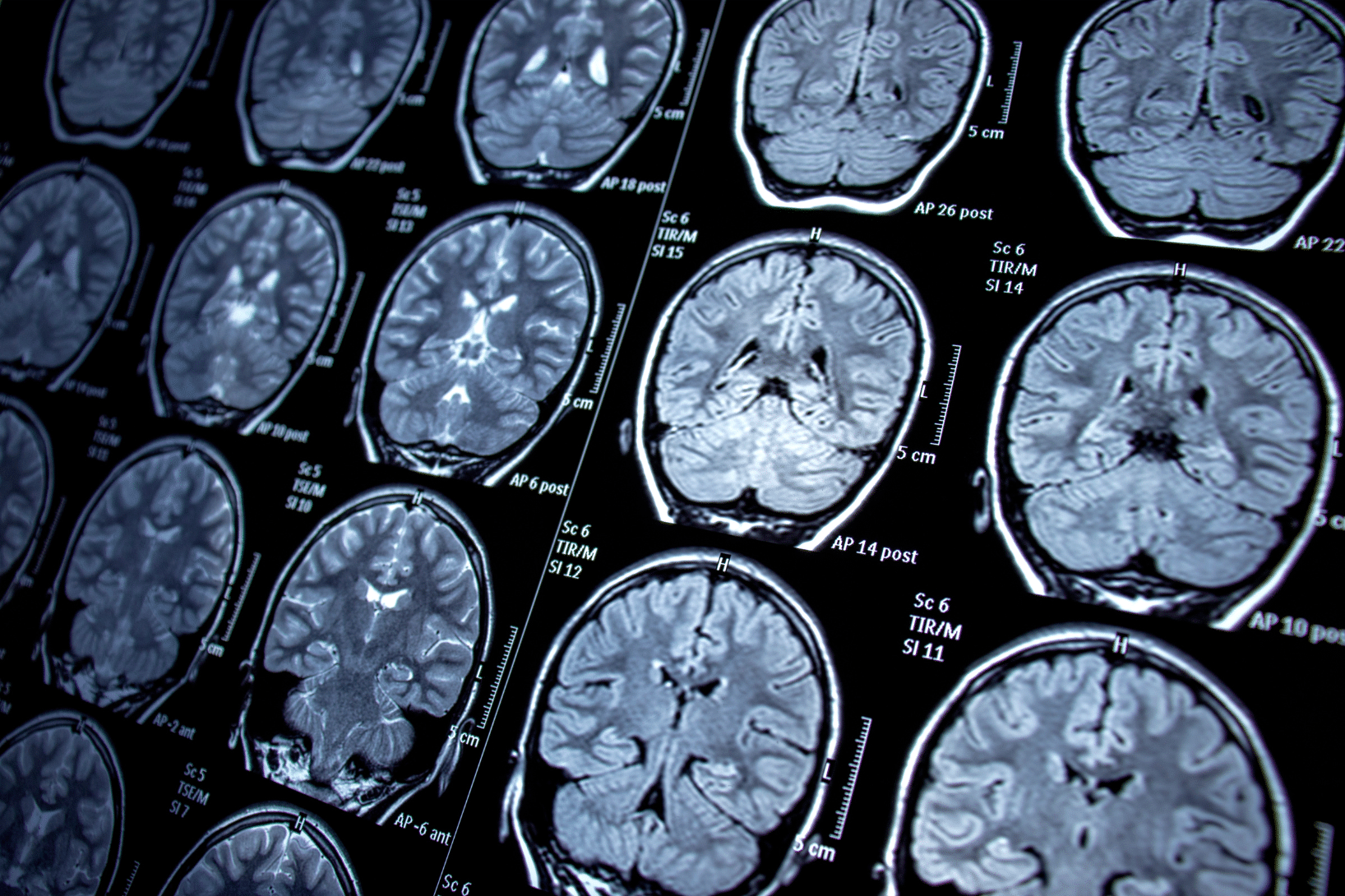
8 Reasons to Move Your Clinical Trial Imaging to TrialKit Right Now
Clinical trial imaging is different. There is a lot of variability involved with data collection. For studies engaging multiple sites, it is unlikely that each site will have the exact same imaging equipment. Imaging technicians may also perform their jobs differently, leading to slight variations in the imaging data. The variability can become compounded when…
-
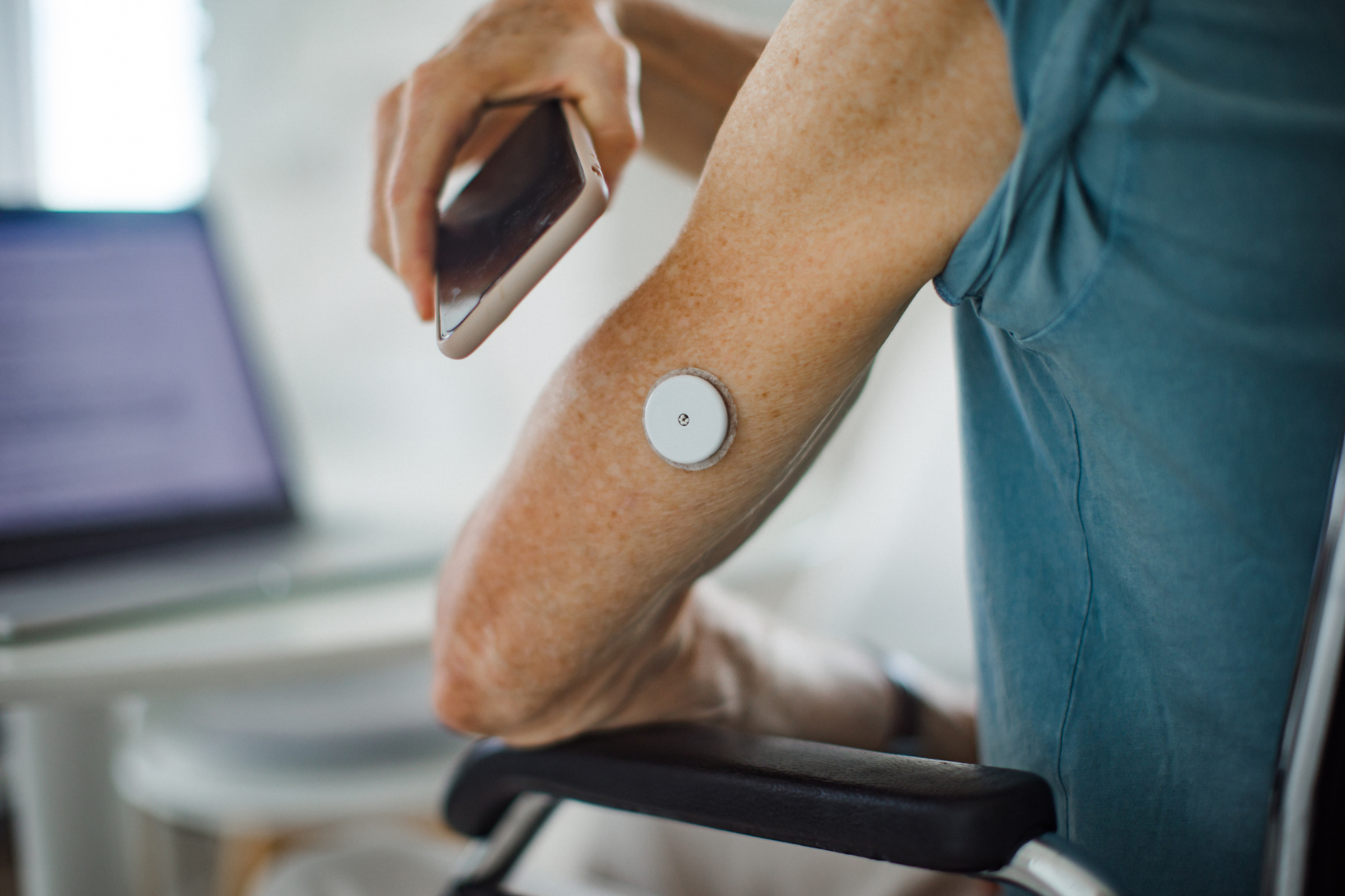
The Advantages of Decentralized Clinical Trials in Diabetes Research
The growth of decentralized clinical trial (DCT) strategies may be happening slower than many expected, but it is definitely happening. Every day, research teams are discovering the value of technologies and approaches that allow patients to participate in studies from wherever they live. Remote data collection, including eConsent, ePRO (electronic patient reported outcome reports), virtual…
-
Decentralized Clinical Trials in 2024: A Look Ahead
Decentralized clinical trials (DCTs) are growing. We may not be seeing the deep and widespread adoption of decentralized approaches some predicted following the COVID-19 pandemic, but as time goes by, more and more researchers are finding the value of things like remote data collection and video visits. It has become cliche to say that people…
-
In a Time of Uncertainty for Clinical Researchers, Reliable Partners are Vital
The clinical research industry is currently dealing with a great deal of uncertainty, with various solutions providers announcing layoffs often. This trend has, understandably, led to concerns among many in the research space regarding the stability and reliability of their research partners and the impact of this instability on both current and future trials. Understanding…
-
Is Your Participant Reimbursement Software Patient-Centric? Automated Reimbursement through TrialKit Helps You Walk the Walk
What does patient-centricity mean to you? For some, this means making the process of collecting patient data as easy as possible, resulting in better data. The patients participating in your studies, though, likely have a more all-encompassing view of the term “patient-centric”. Yes, they want it to be simple to participate and they want to…