-

Smarter Clinical Trials for CNS and Pain with AI Analytics
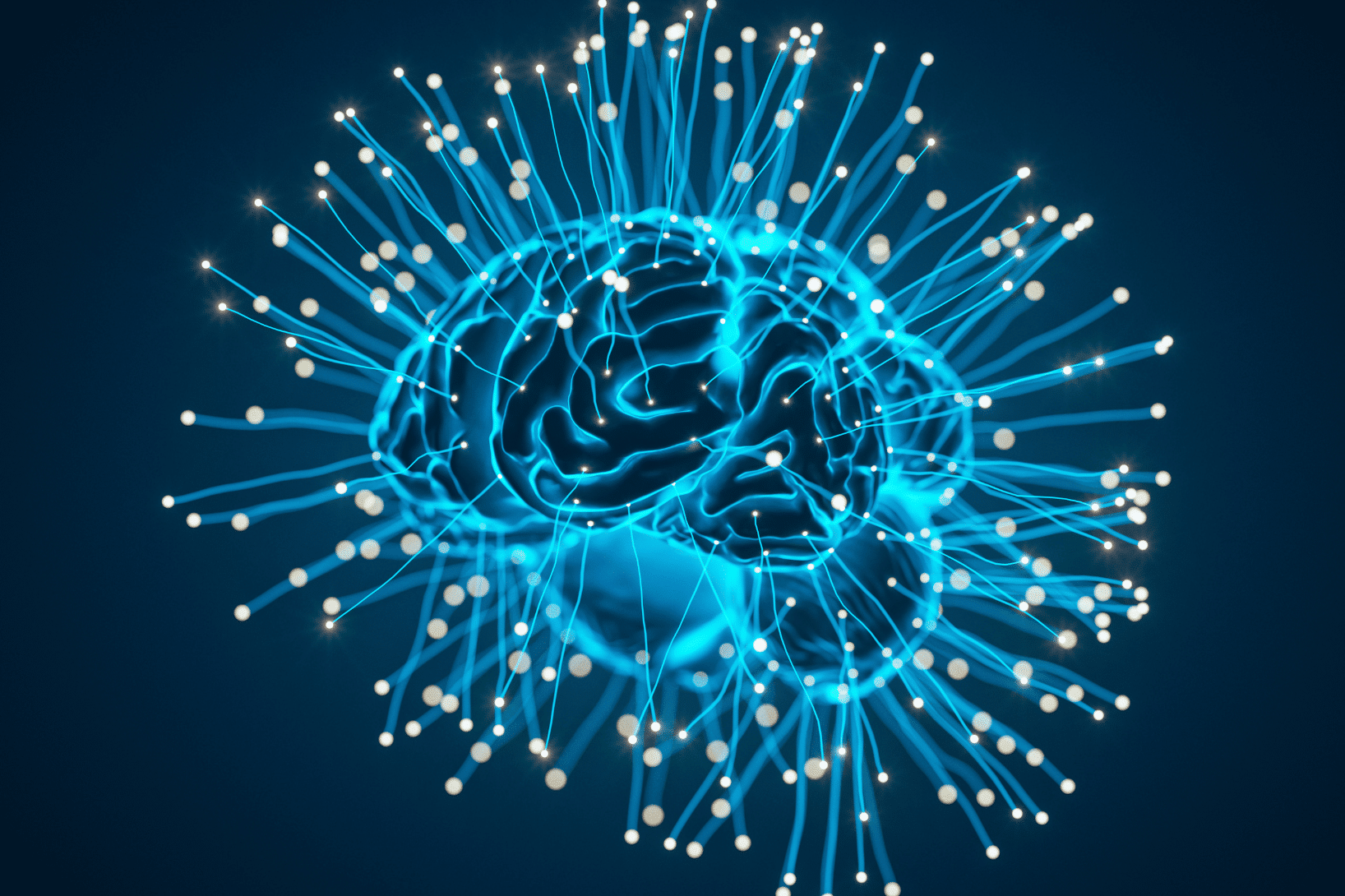
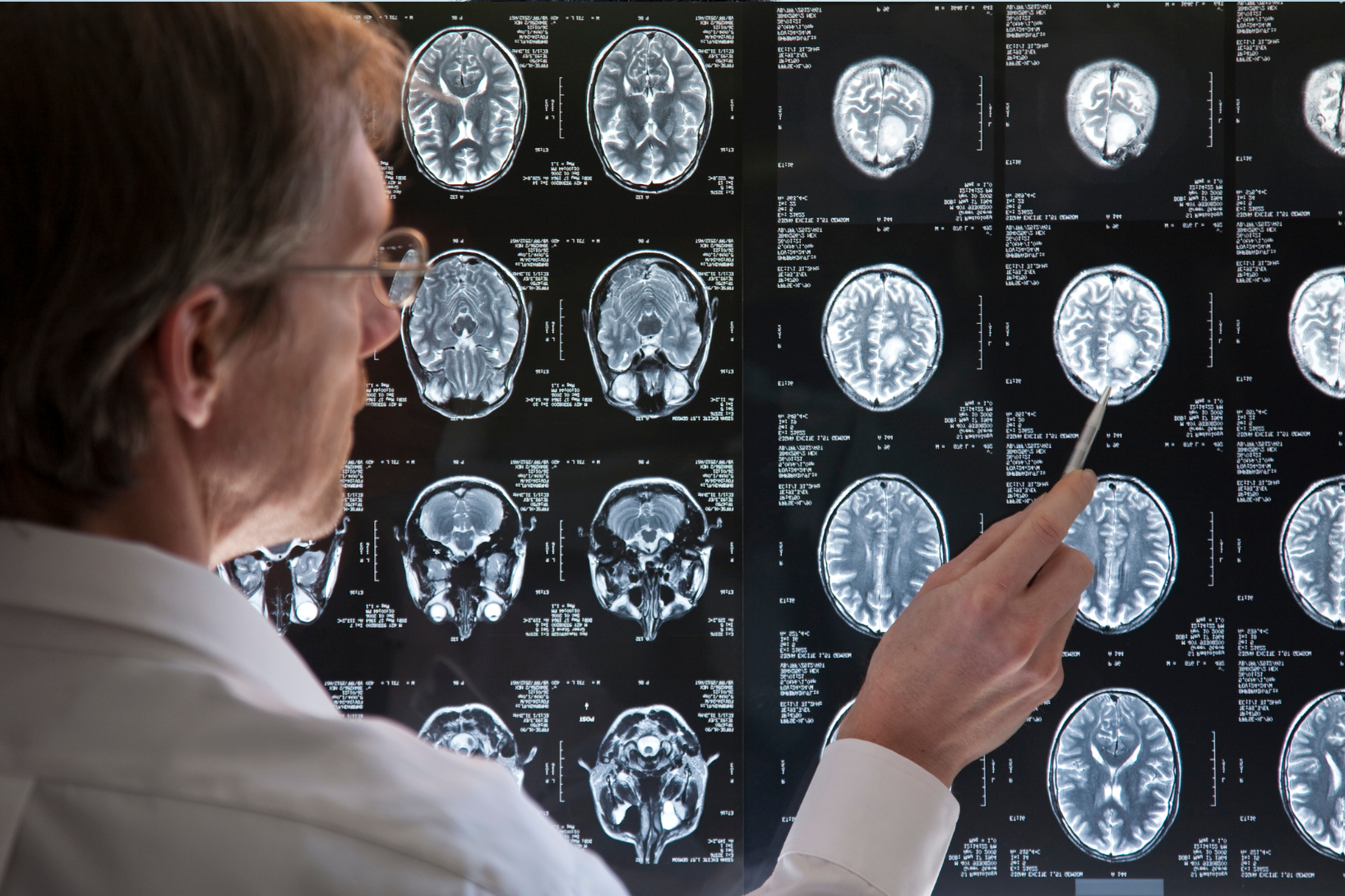
Clinical trials in pain and neurological research have historically faced steep hurdles: lengthy timelines, high costs, and subjective data endpoints that often obscure true efficacy. With only around 15% of central nervous system (CNS) drugs successfully moving from Phase 1 to approval, researchers clearly need more reliable tools. Artificial intelligence (AI) analytics has emerged as…
-
Ensuring Regulatory Compliance When Using Wearables in Clinical Trials
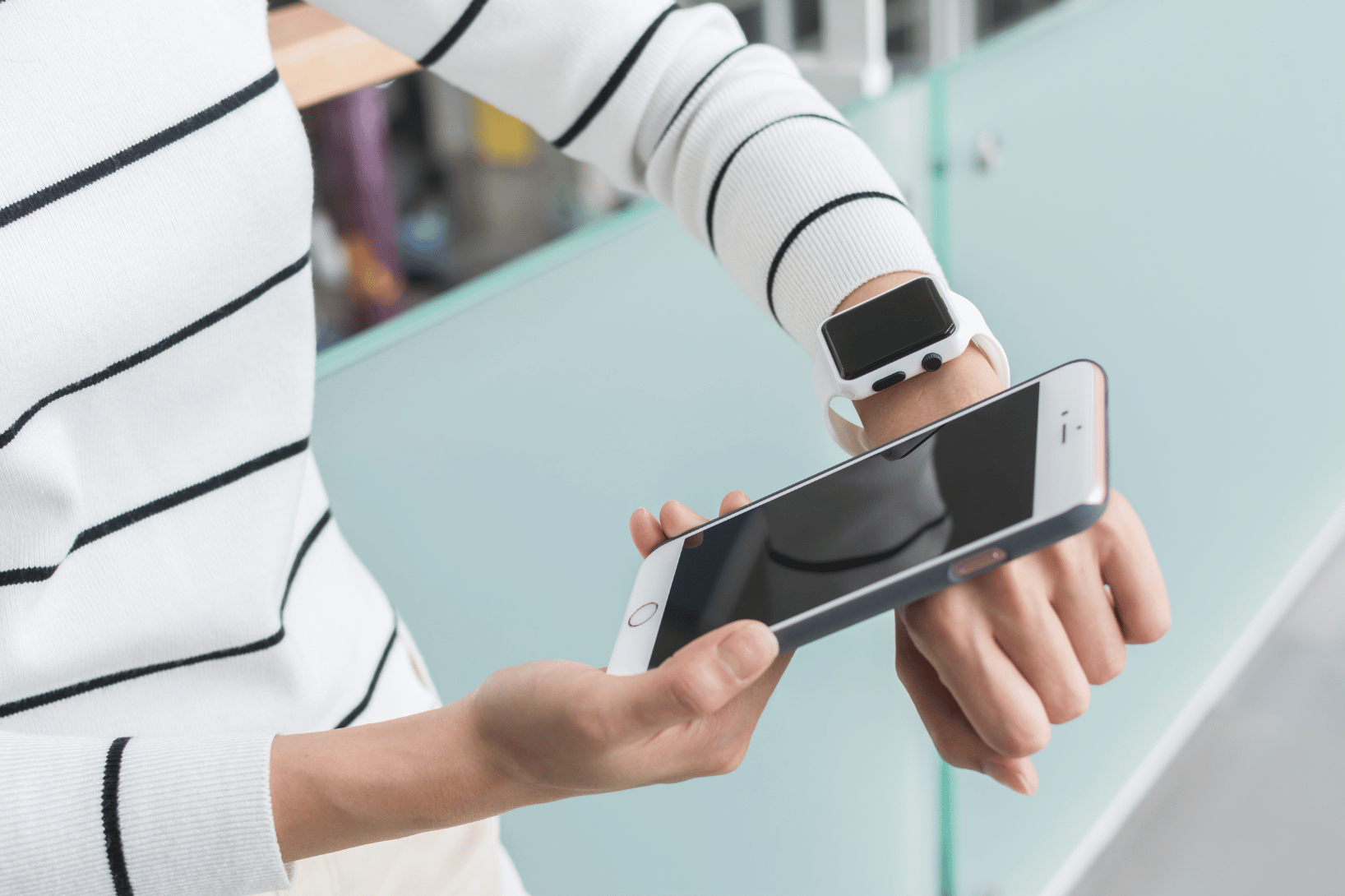
Regulatory Risks of Wearables in Clinical Trials Are Real (and Avoidable) Wearables have become indispensable in modern clinical trials, tracking vital signs, capturing real-world evidence, and improving patient engagement from anywhere. But as their use increases, so do the regulatory risks. While wearable devices open the door to faster, more patient-centric research, they also introduce…
-
The Future of Remote Patient Monitoring in Decentralized Clinical Trials
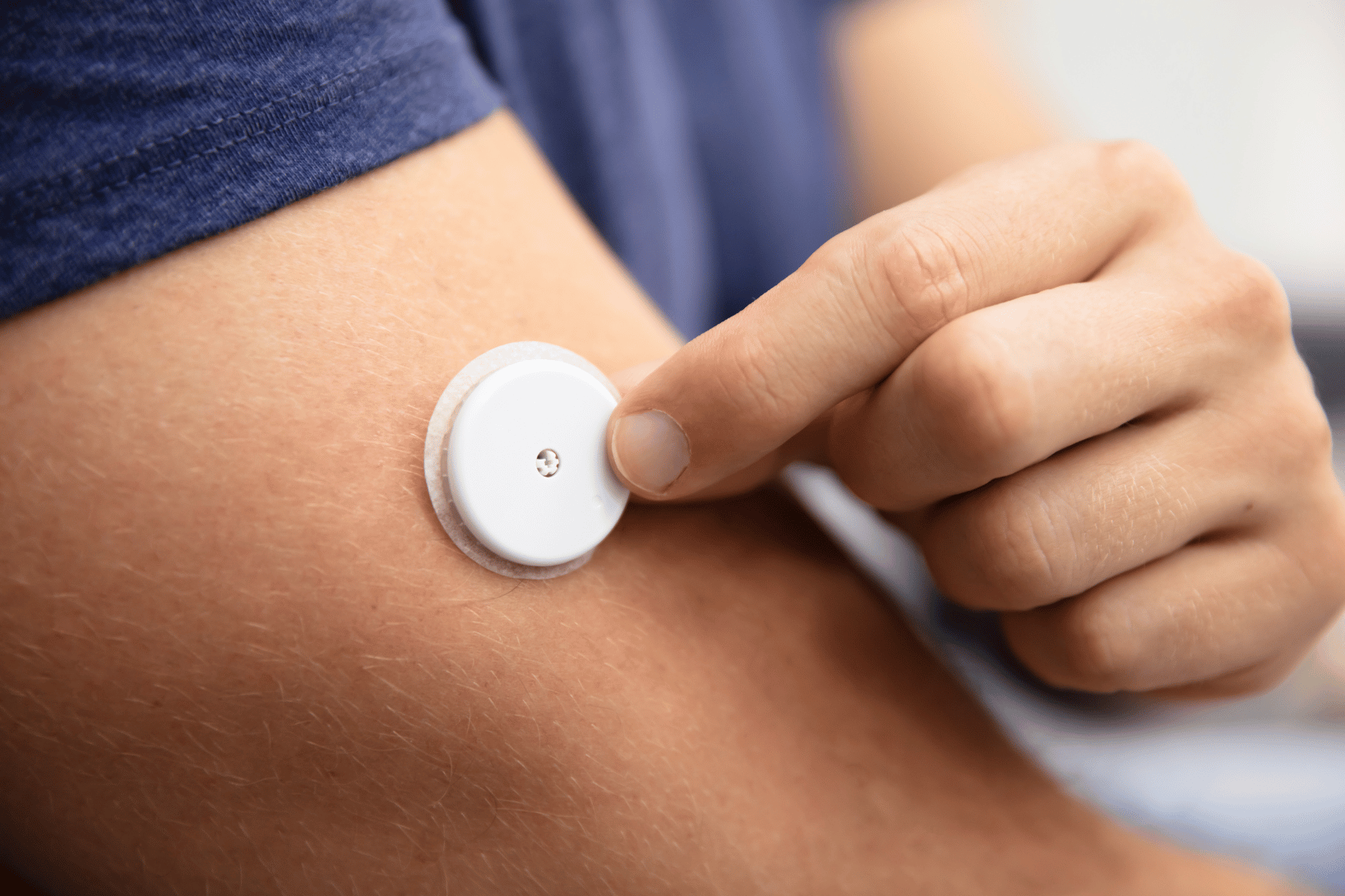
The Evolution of Remote Patient Monitoring in Clinical Trials Remote patient monitoring (RPM) has come a long way from the early days of paper-based symptom diaries and intermittent in-clinic assessments. Traditional monitoring approaches placed a heavy burden on both patients and research sites, requiring frequent visits, manual data entry, and limited insight into patient health…
-
How Wearable Devices Improve Patient Engagement in Clinical Trials
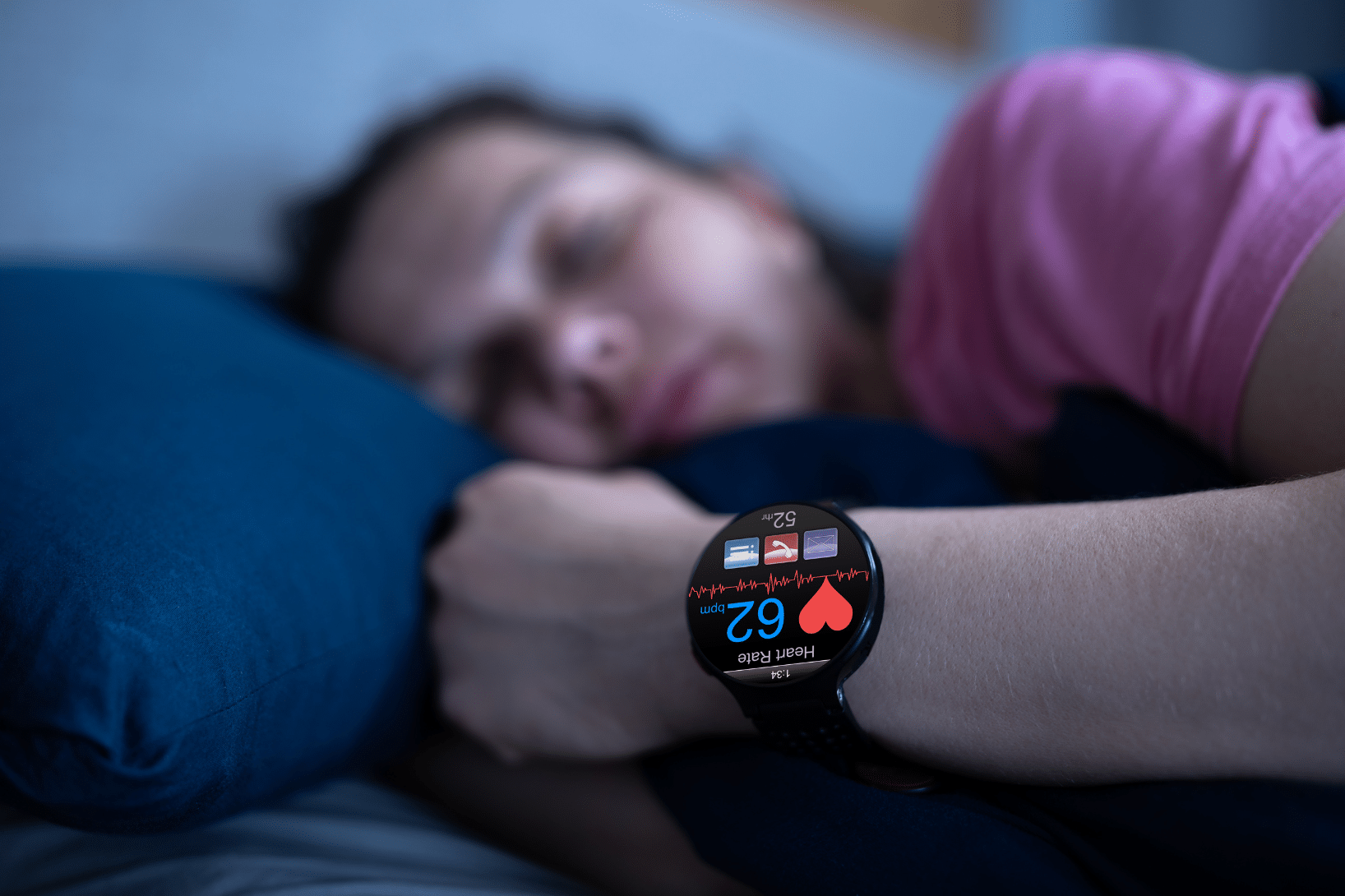
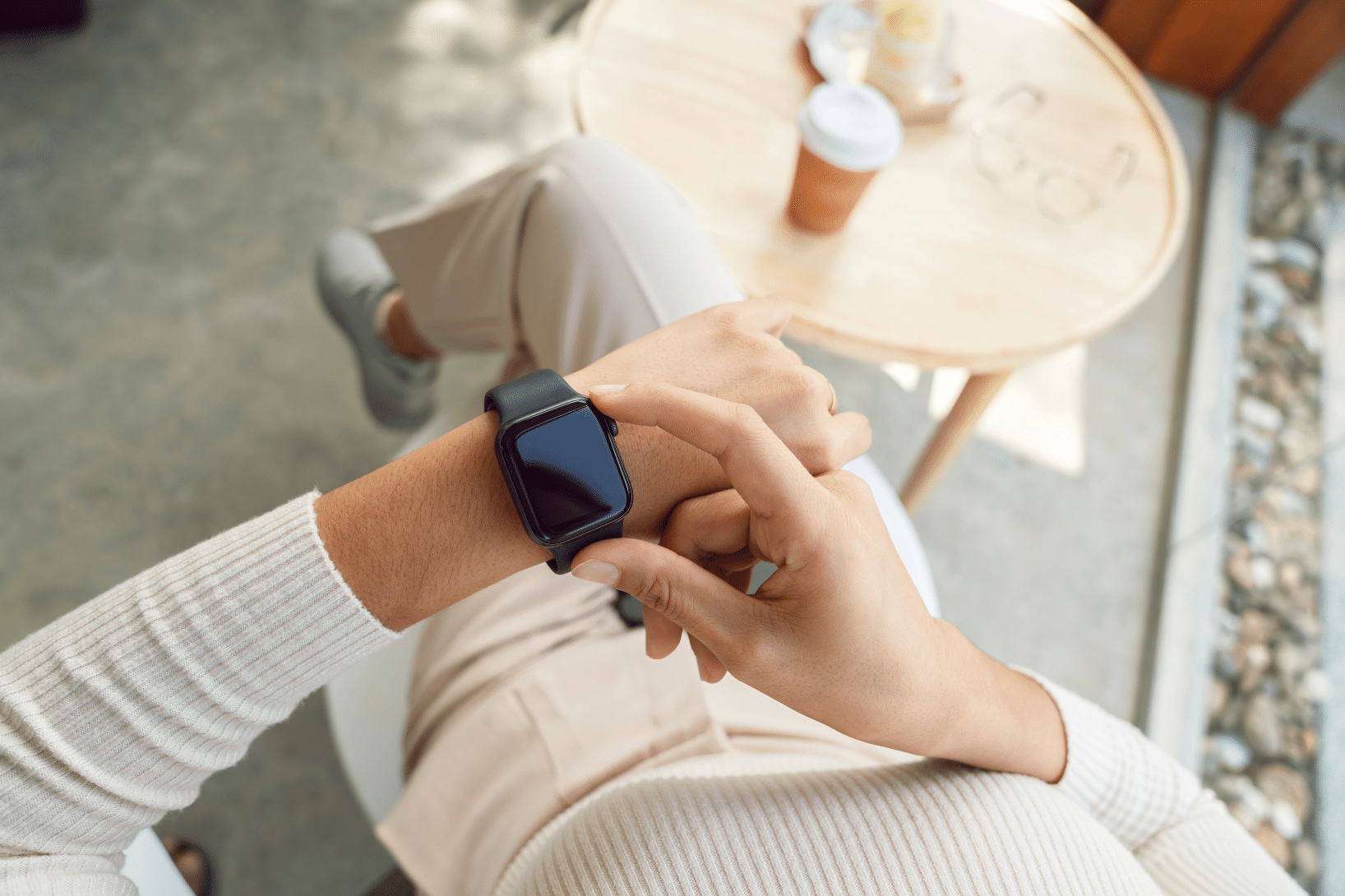
Why Wearable Tech Is Changing Clinical Trials Wearable devices are doing more than counting steps—they’re redefining how clinical trials are conducted and how participants engage. In the era of decentralized and hybrid clinical trials, wearables like fitness trackers, smartwatches, and medical-grade sensors are becoming essential tools for improving patient engagement and retention. These devices allow…
-
BYOD Clinical Trials: How They Transform Decentralized Data Capture
What Is BYOD in Clinical Trials? Bring Your Own Device (BYOD) is changing the way clinical trials collect and manage data. Instead of requiring participants to use study-provided devices, BYOD allows them to use their own smartphones, tablets, or computers to enter data—making the process more convenient and intuitive. Traditionally, clinical trials relied on provisioning…
-
The Future of Wearable Technology in Clinical Trials
What Are Wearables and How Are They Used in Clinical Trials? Wearable technology is transforming clinical trials by making it easier than ever to collect real-time health data from participants. These devices—ranging from fitness trackers and smartwatches to advanced biosensors—give researchers continuous, objective insights into a patient’s health without requiring frequent site visits or self-reported…
-
How EDC Software Minimizes Bias in Clinical Trials
The Impact of Bias on Clinical Trials and Patient Safety Bias, despite best efforts and best intentions, continues to impact clinical research. There’s the so-called “sponsorship effect,” where, in a recent study, psychiatric drugs were reported to be about 50% more effective in trials that were funded by the drug’s manufacturer. It may be natural…
-
How EDC Software Improves Patient Safety
The Link Between EDC and Patient Safety The shared commitment among researchers and healthcare providers to patient safety influences every aspect of study design and execution. The adoption of Electronic Data Capture (EDC) systems has always been driven by the need to enhance patient safety through improving data accuracy, reducing errors, and facilitating real-time monitoring.…
-
From Data Capture to Clinical Intelligence: How AI Is Expanding EDC in Clinical Trials
Electronic data capture (EDC) has traditionally occupied a clearly defined place in the clinical trial lifecycle. Once a protocol is designed and a study database is built, the EDC becomes the environment where clinical data is collected, reviewed, queried, and prepared for analysis. Artificial intelligence is beginning to expand that role. Rather than applying AI…
-
From Imaging to Analysis: 5 Steps for Success with TrialKit PACS
When it comes to managing imaging data in clinical trials, researchers find many challenges. Disjointed systems that don’t talk to each other, manual data transfers that invite errors, and time lost navigating segmented workflows. Integrating imaging data with electronic data capture (EDC) systems has traditionally been a headache, with limited interoperability and inefficiencies slowing progress.…