-

How to Improve Patient Outcomes Using eSource Software in Clinical Trials
In the modern clinical research environment, improving patient outcomes is both a regulatory imperative and an ethical priority. The tools used to collect, manage, and analyze study data can meaningfully influence the speed, quality, and effectiveness of therapeutic development. Among these tools, eSource software is increasingly recognized for its ability to streamline workflows, reduce errors,…
-
How EDC-Based SAE Reporting Reduces Time to Detection and Response in Clinical Trials
Serious adverse events (SAEs) are among the most critical data points collected during a clinical trial. The timeliness and accuracy of SAE reporting can mean the difference between a manageable issue and a significant safety crisis. As regulatory expectations increase and trial designs grow more complex, sponsors and CROs need tools that accelerate safety workflows…
-
Modern Post-Market Trials Will Be Driven by RWD – Is Your EDC Ready?
The Post-Market Shift: From Sites to Data Streams Phase IV trials used to mean tracking long-term outcomes by continuing to work with the same clinical sites involved in earlier phases. But that model is fading fast. Today, real-world data (RWD) from patients, providers, and everyday devices is transforming how post-approval research is designed and conducted.…
-
Smarter Clinical Trials for CNS and Pain with AI Analytics
Clinical trials in pain and neurological research have historically faced steep hurdles: lengthy timelines, high costs, and subjective data endpoints that often obscure true efficacy. With only around 15% of central nervous system (CNS) drugs successfully moving from Phase 1 to approval, researchers clearly need more reliable tools. Artificial intelligence (AI) analytics has emerged as…
-
Ensuring Regulatory Compliance When Using Wearables in Clinical Trials
Regulatory Risks of Wearables in Clinical Trials Are Real (and Avoidable) Wearables have become indispensable in modern clinical trials, tracking vital signs, capturing real-world evidence, and improving patient engagement from anywhere. But as their use increases, so do the regulatory risks. While wearable devices open the door to faster, more patient-centric research, they also introduce…
-

Crucial Data Solutions Sets Another Industry Benchmark: TrialKit Now Available as a Native macOS App
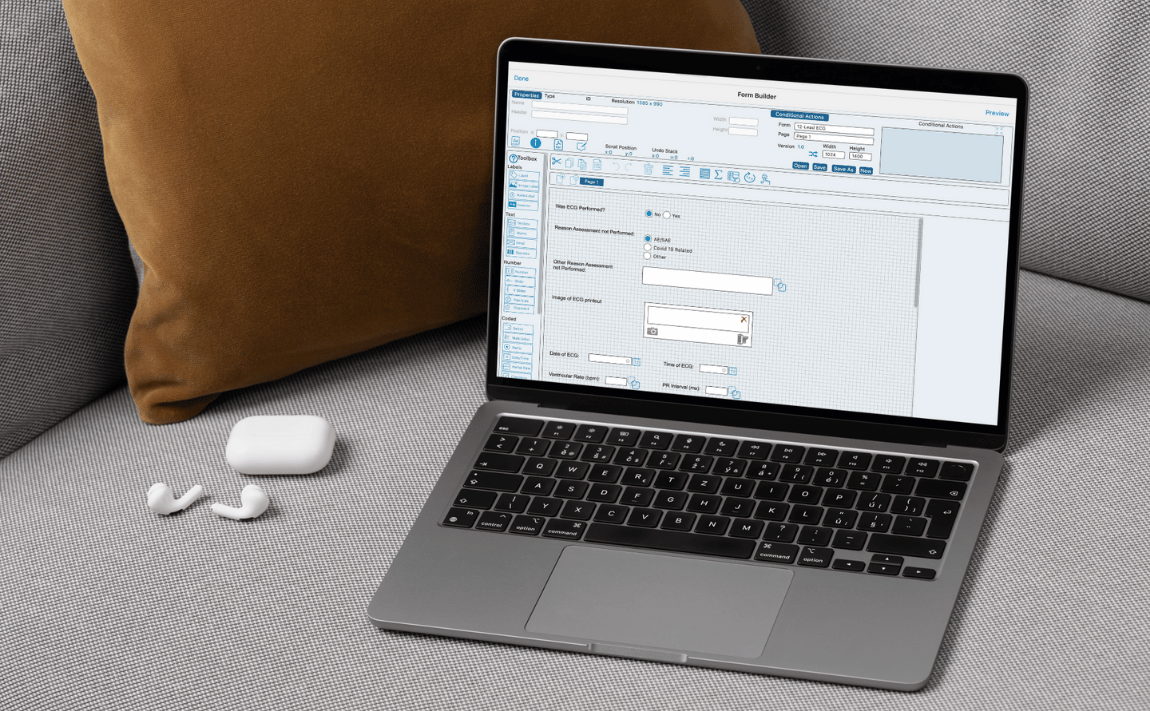
The only eClinical platform to offer native web, mobile (iOS/Android), and Mac applications, redefining the standard for modern research software. RENO, NV, UNITED STATES, April 29, 2025 /EINPresswire.com/ — Crucial Data Solutions, Inc. (CDS), the pioneer behind the all-inclusive eClinical platform TrialKit, today announced the launch of TrialKit as a native macOS app—an industry-first for…
-
The Future of Remote Patient Monitoring in Decentralized Clinical Trials
The Evolution of Remote Patient Monitoring in Clinical Trials Remote patient monitoring (RPM) has come a long way from the early days of paper-based symptom diaries and intermittent in-clinic assessments. Traditional monitoring approaches placed a heavy burden on both patients and research sites, requiring frequent visits, manual data entry, and limited insight into patient health…
-
How Wearable Devices Improve Patient Engagement in Clinical Trials
Why Wearable Tech Is Changing Clinical Trials Wearable devices are doing more than counting steps—they’re redefining how clinical trials are conducted and how participants engage. In the era of decentralized and hybrid clinical trials, wearables like fitness trackers, smartwatches, and medical-grade sensors are becoming essential tools for improving patient engagement and retention. These devices allow…
-
Crucial Data Solutions Launches Industry-First Subscription Model to Modernize Clinical Trial Contracting and Pricing
New model empowers CROs to grow revenue, reduces costs for sponsors, and accelerates time to market RENO, NV, UNITED STATES, March 27, 2025 /EINPresswire.com/ — Crucial Data Solutions, Inc. (CDS), provider of TrialKit, the only mobile-first, AI-powered eClinical platform, today announced a bold transformation of its pricing and contracting model. With a new subscription-based model…
-
BYOD Clinical Trials: How They Transform Decentralized Data Capture
What Is BYOD in Clinical Trials? Bring Your Own Device (BYOD) is changing the way clinical trials collect and manage data. Instead of requiring participants to use study-provided devices, BYOD allows them to use their own smartphones, tablets, or computers to enter data—making the process more convenient and intuitive. Traditionally, clinical trials relied on provisioning…