-

API Integrations in Clinical Trials: How Modern Platforms Enable Connected Clinical Data Systems and Flexible Study Workflows
The Growing Importance of API Integrations in Clinical Trials Clinical trials now depend on a wide range of digital technologies to collect and manage study data. Electronic data capture systems (EDC), eCOA platforms, laboratory systems, imaging repositories, wearable devices, and patient-facing applications all contribute information to the study dataset. As these tools have matured, both…
-
How eTMF Can Improve Global Clinical Trials
How eTMF Systems Are Shaping Global Clinical Trials Managing documentation across global clinical trials is complex, but eTMF systems are transforming how sponsors, CROs, and sites stay compliant and efficient. By replacing fragmented, paper-based processes with centralized digital platforms, eTMFs improve visibility, collaboration, and regulatory readiness across regions. This blog explores how eTMFs support smoother…
-
How to Make eConsent Accessible Across Diverse Populations
Designing Accessible eConsent for Inclusive Clinical Trials Making eConsent accessible across diverse clinical trial populations means designing consent flows that participants can truly understand and use, regardless of language, literacy level, disability, or device access. Effective programs pair plain-language writing and chunked, participant-centered layouts with multilingual translation and localization that stay consistent through version control.…
-
When to Use Wearables in a Clinical Trial and How to Get Started
Wearables have moved well beyond pilot projects and proof-of-concept studies. Many sponsors are already exploring how continuous activity, physiological, and behavioral data can strengthen their clinical programs. The question now is not whether wearables can collect data. It is where that data truly adds value and how to incorporate it without adding operational complexity. Not…
-
How AI Activates the Full Potential of Wearables in Clinical Research
Wearables are no longer experimental. Smartwatches, activity trackers, connected scales, and mobile health apps are already part of daily life for millions of people. In clinical research, they offer something sponsors have wanted for decades: continuous, real-world insight into how patients are actually functioning outside the clinic. But there is a gap between collecting wearable…
-
What Is ePRO?
Key takeaways ePRO puts the patient’s own voice directly into your study database ePRO gives clinical trial teams a more direct, efficient way to collect patient-reported data while improving visibility, data quality, and participant engagement. Understand how ePRO improves data collection. It captures symptoms, side effects, functioning, and quality of life directly from patients, with…
-

What Is eCOA in Clinical Trials?
Key Takeaways eCOA replaces paper assessments with real-time digital outcome data Electronic Clinical Outcome Assessment (eCOA) is the digital collection of clinical trial data measuring how a patient feels, functions, or performs during a study. By replacing traditional paper reports with electronic devices like smartphones and tablets, eCOA enables real-time data capture, enhances connectivity between…
-
AI Implementation Challenges with Legacy EDC Systems: Is Your EDC Limiting the Impact of AI on Your Data?
AI is increasingly being adopted in clinical trials to help teams keep pace with growing data demands. The goal is clear: reduce manual effort, surface insights sooner, and support better decisions. But for many sponsors, those benefits are harder to realize in day-to-day trial work. Often, the challenge is not the AI itself. It is…
-
AI in Clinical Trials: 5 Practical TrialKit Use Cases for Data Management
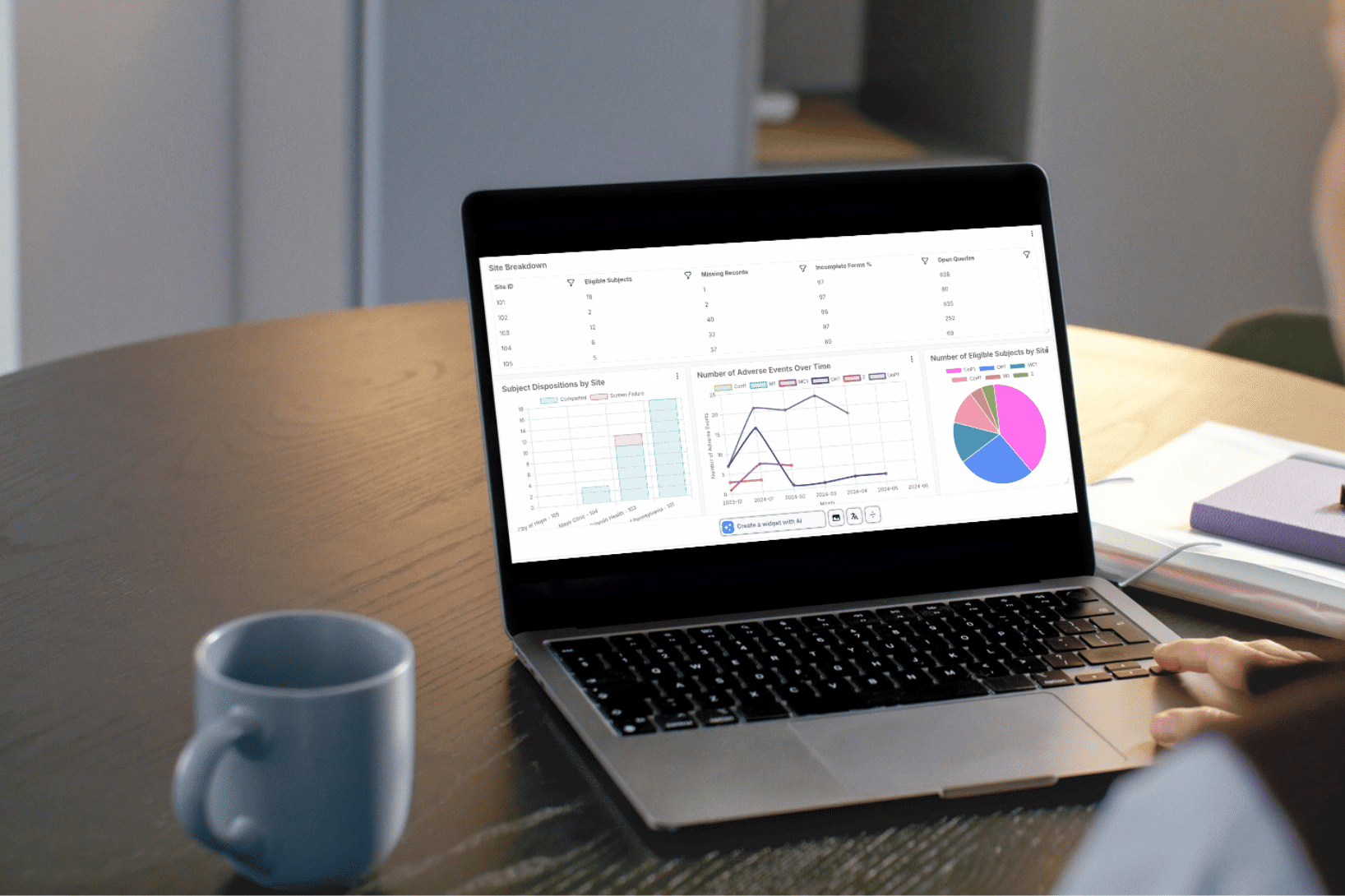
Clinical data managers spend much of the study turning a growing volume of information into something teams can review, trust, and use. That work includes tracking data completeness, resolving queries, monitoring site activity, preparing reports, reconciling sources, and keeping stakeholders informed as the study moves toward closeout. TrialKit brings data capture, query management, reporting, analytics,…
-
Clinical Data Modernization: A 2026 Starter Guide
Clinical data modernization is one of those phrases that shows up everywhere and means something different to almost everyone. In some contexts, it refers to cloud infrastructure. In others, it points to advanced analytics or artificial intelligence. For many clinical teams, it simply signals that current ways of working are starting to strain under growing…